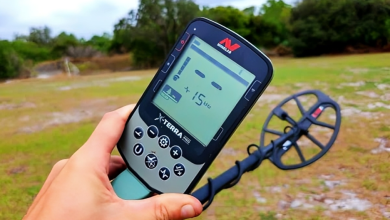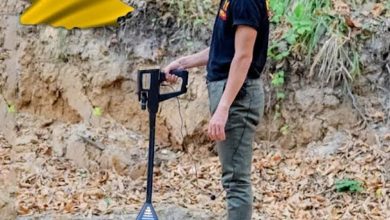
Sound system metal detectors

Sound system metal detectors have become one of the most important tools in many fields today, as they play an important role in facilitating tasks and achieving goals with high accuracy. These devices are not just technical tools, but rather the result of long technological development and continuous innovations aimed at improving human life and meeting their various needs. With the increasing reliance on technology in various fields, the need for advanced devices that can operate in various conditions and provide more efficient results has emerged. Therefore, the use of sound system metal detectors has become essential not only for professionals but also for amateurs and exploration enthusiasts.
About sound system metal detectors
Sound system metal detectors are considered one of the most important technologies used in detecting various metals, whether for the purposes of searching for archaeological treasures or for security and industrial uses. These devices rely mainly on the technology of generating audio signals that change according to the nature of the discovered metal, as they send electromagnetic signals to the ground, and when they collide with a metal, the signal returns at a different frequency that is converted into a sound that can be heard through the device’s speakers or built-in speaker.
These devices have many advantages and are used in a variety of fields such as searching for raw gold and buried antiquities. In addition to their vital role in security applications to detect weapons and dangerous metals. They are also used in industry, especially in locating underground metal pipes or detecting faulty electrical cables.
Features of sound system metal detectors
Sound system metal detectors have several characteristics that make them a distinctive and effective choice for many uses, whether for prospecting for gold and antiquities or for security and industrial purposes, including:
- They provide high accuracy in identifying buried metals, as they rely on electromagnetic signals that are analyzed to convert them into sounds that the user can easily distinguish.
- The nature of the resulting sound varies depending on the type of metal detected, which helps in distinguishing between precious metals such as gold and silver and less valuable metals.
- They are also lightweight and easy to carry, making them suitable for field use and moving between search sites without hassle.
- Designed with easy-to-use interfaces with options to adjust settings to suit the user’s needs, such as controlling the sensitivity of the device or ignoring unwanted metal signals.
- It is also characterized by its ability to work in different environments, whether the soil is dry, wet or even rocky, thanks to the advanced technologies that are integrated into it, such as interference filters and frequency modulation systems.
- Some of them are also equipped with display screens that allow you to see the data clearly. It provides great flexibility thanks to its ability to detect metals at varying depths, reaching several meters in advanced devices.
How do sonic metal detectors work?
Sonic metal detectors work using precise technologies that rely on electromagnetic and sound waves to detect metals hidden underground or inside objects, where:
- The mechanism of operation of these devices depends on generating an electromagnetic field that is sent from the device’s transmitting coil.
- When this field passes through the ground or other materials, it interacts with the metals in the area, which leads to the generation of small electrical currents within those metals known as eddy currents.
- These currents produce a secondary magnetic field that returns to the device via the receiving coil. Here begins the role of the internal processor in the device, as the reflected magnetic fields are analyzed to determine the presence, type and depth of the metal.
- These signals are then translated into a sound heard through the speakers or the device’s built-in speaker, and this sound varies depending on the type and density of the detected metal.
- The capabilities of these devices vary according to their design and technology. Some devices are capable of detecting metals at depths of up to several meters, while others specialize in detecting small metals close to the surface.
The best sound system metal detectors
There are many sound system metal detectors, but the best of these devices are the following:
X-Terra Pro
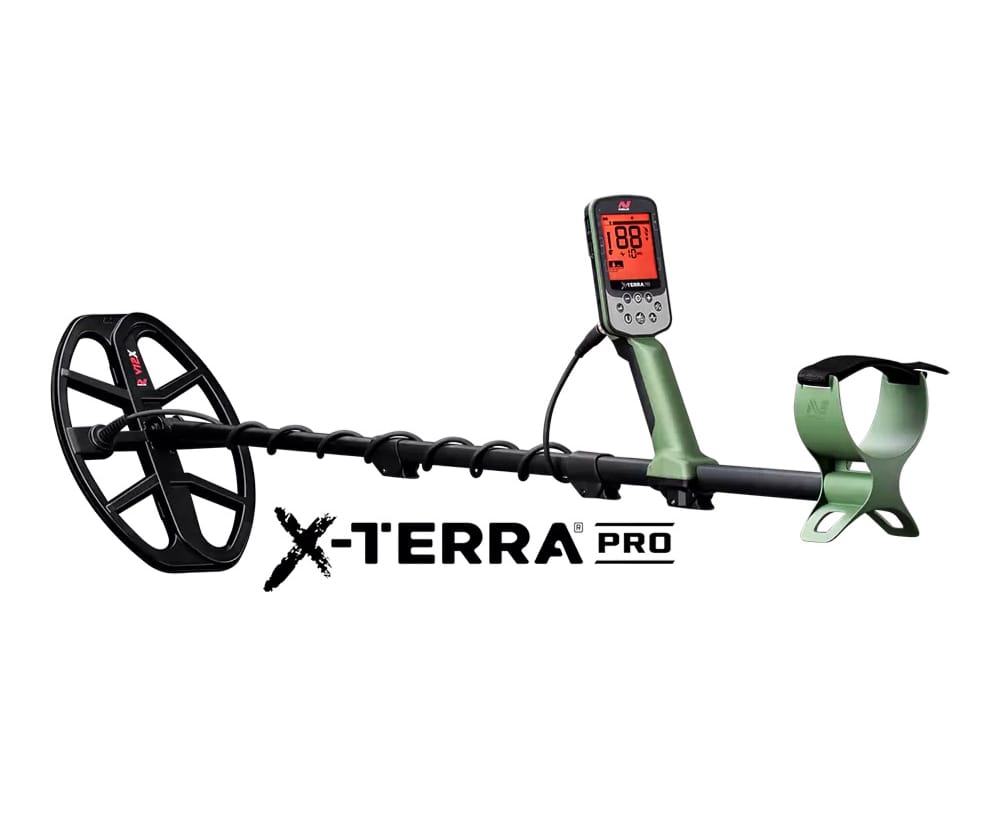
- The X-Terra Pro is characterized by a light weight of no more than 1.3 kilograms (2.9 pounds).
- The device has a monochrome LCD display that displays the search results with high accuracy. In addition to a user interface that allows you to adjust the settings easily and quickly.
- The battery is built-in and made of lithium ion with a capacity of 3.7 volts and a capacity of up to 5100 mAh.
- The device supports working at temperatures ranging from 14 to 104 degrees Fahrenheit, making it suitable for working in various environmental conditions.
- The device provides three dedicated search modes, which ensures the ability to detect different types of metals, especially in coastal areas.
Gold Stinger 5X
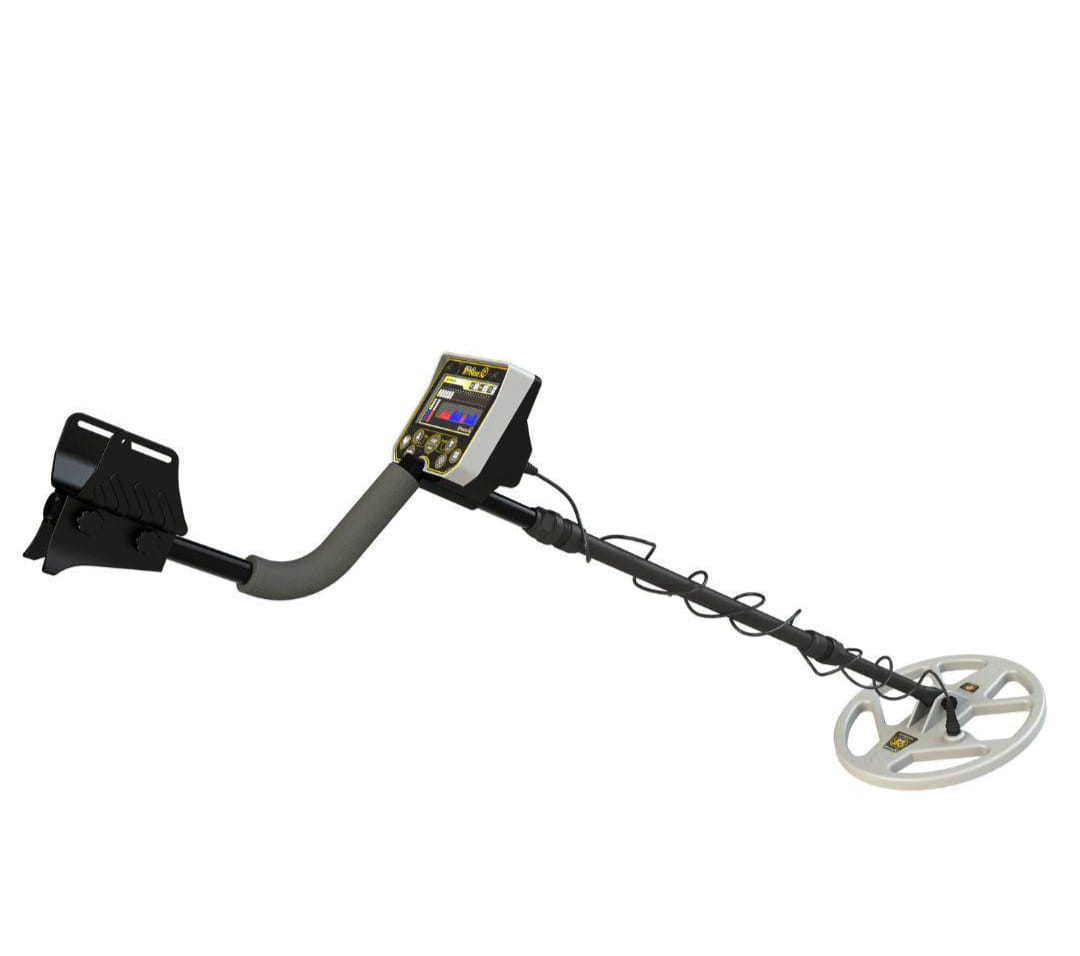
- The Gold Stinger 5X features a 4.3-inch LED Edgelight TFT screen with a display resolution of 480 x 272 pixels.
- The device operates using a 7.4-volt, 2.6-ampere lithium-ion battery. It provides an operating time of up to 12 continuous hours.
- The device uses multi-frequency technology, which increases its efficiency in detecting metals in various ground conditions.
- It operates with an integrated communications system with a 32-bit architecture, which ensures high-speed performance and accurate signal processing.
- The device also supports an operating temperature ranging from 0 to 45 degrees Celsius.
- The device includes an advanced ZB filter that helps reduce interference resulting from mineral and wet soil. It also features a hot rock filter feature that ignores false signals to improve detection accuracy.
- The visual representation of the device depends on displaying two-dimensional graphics, which allows the user to accurately visualize the type and size of the detected metals.
FAQs
What material blocks a metal detector?
Insulating materials such as plastic and wood do not block a metal detector, but non-magnetic metals such as aluminum may reduce detection accuracy.
What is the easiest metal to detect with a metal detector?
Iron is the easiest metal to detect due to its magnetic properties.
What is the easiest way to find gold?
Using specialized gold detection devices such as high-tech devices designed to detect gold nuggets.
How deep can a metal detector find gold?
Some advanced devices can detect gold at a depth of up to one and a half meters depending on the type of device, the size of the object, and the soil conditions.