
Gold Detector in Dubai
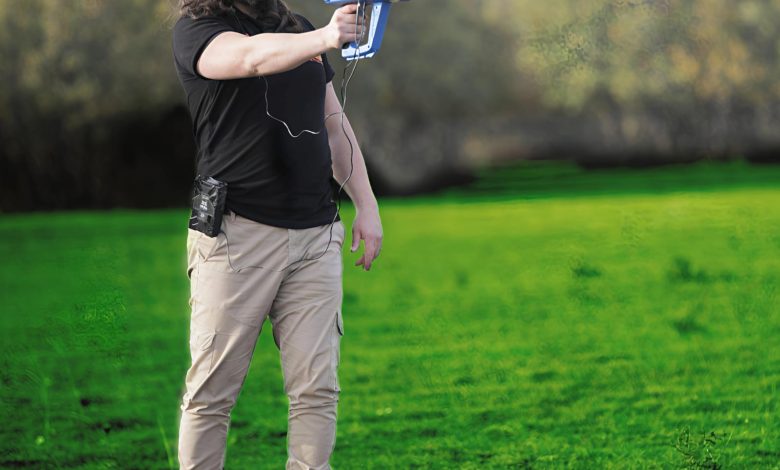
Numerous gold detectors of various types and sizes are available in Dubai. These devices operate on a remote sensing system and are characterized by their high accuracy in detecting gold from underground and their great ability to identify the type of metal. In this article, we will learn about the best company that offers a gold detector in Dubai and the most famous types of gold detectors.
What is the Importance of a Gold Detector in Dubai?
The importance of gold detector applications in Dubai is as follows:
- Searching for precious metals and treasures underground, which facilitates the process of metal extraction and prospecting.
- Extracting buried artifacts such as pottery, daggers, and swords.
- Discovering buried gold in the desert with high accuracy and efficiency.
- Easy to use, and available for use by both beginner and professional prospectors.
- Gold detectors are known for their strength and ability to withstand weather conditions.
- The devices contain modern and advanced features to determine the depth and type of metal discovered.
How to Choose a Suitable Gold Detector for the UAE’s Nature
There are many factors that help in choosing a gold detector in Dubai. These factors are as follows:
- Choosing a device capable of properly identifying the soil type, whether it is rocky or sandy.
- The gold detector in Dubai should be strong and durable, and able to work in various weather conditions.
- Capable of distinguishing between types of metals, to avoid wasting time searching for non-precious metals.
- The device should be able to work at a great depth underground.
- The device’s user interface should be easy and simple, to make the search process more effective.
- The device should fit your budget, so the budget must be determined before searching for the device.
- The device should contain advanced and modern technologies, such as 3D imaging technology.
Most Famous Types of Gold Detectors in Dubai
We will present you with a list that includes the best gold detector in Dubai. These devices are as follows:
Concord Metal Detector
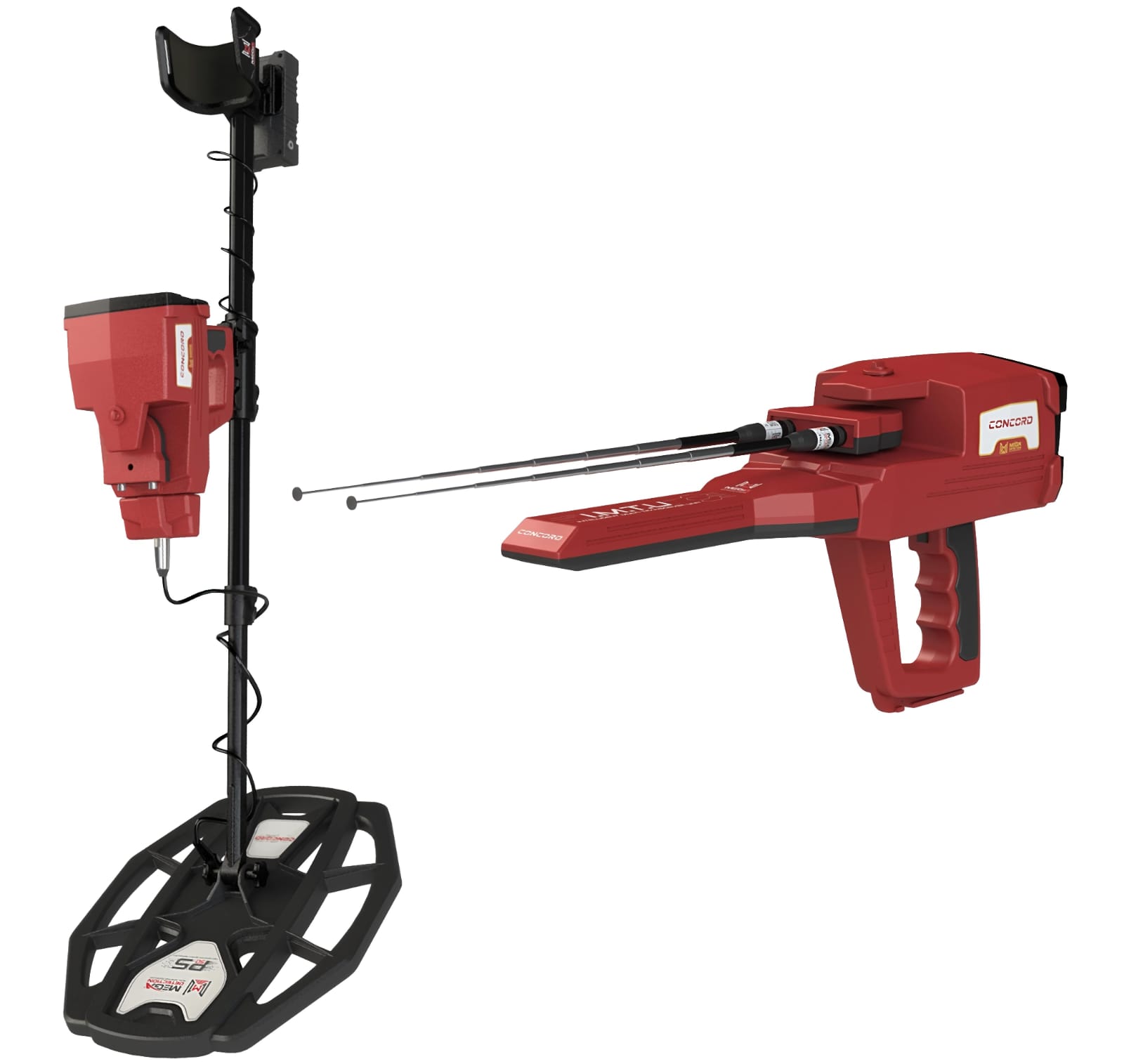
The Concord metal detector is considered the best gold detector in Dubai. It is distinguished by having many search systems and operating with accuracy and efficiency.
Technical Specifications
- The device’s body is made of strong and durable ABS plastic.
- An effective ARM 64-bit processor with a running speed of 1.4 GHz.
- 32 GB storage memory with SD Card support.
- A 5-inch high-definition TFT LCD screen.
- Display resolution of 1024×860 with 16 million clear colors.
- A removable 21,000 mAh Lithium-Ion battery.
- Supports 12 different languages, has Wi-Fi, and operates at various temperatures.
Features
- It contains a long-range sensing system.
- It works with advanced technology for detecting metals.
- Easy to use and suitable for beginner prospectors.
- It is distinguished by its high accuracy in identifying metals.
- It is characterized by accurately and clearly pinpointing the location of metals.
- It supports many different languages.
Gold Star 3D Scanner
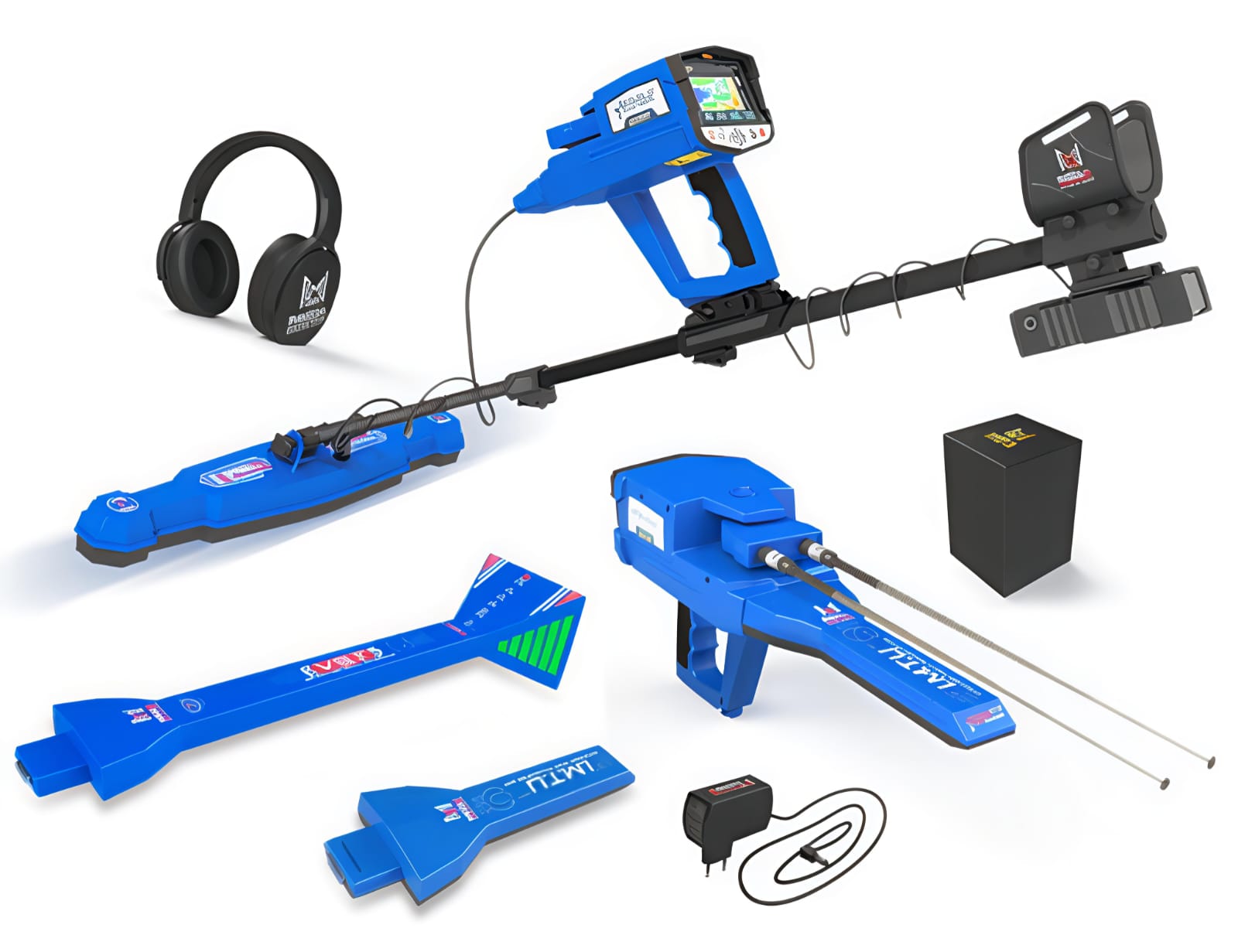
The Gold Star 3D Scanner is one of the most prominent devices that prospectors are eager to buy from a metal detector shop in Dubai. This is because it is characterized by its superior ability to discover gold and metals at a great depth, and it is easy to operate and use.
Technical Specifications
- The device contains 8 different search systems.
- Detection depth reaches up to 50 meters.
- The front range or scan range “Distance” reaches up to 3000 meters.
- A 5-inch color screen.
- The device supports 12 international languages, including Arabic.
- Power is based on an external, rechargeable lithium-ion battery.
- Systems like I.M.T.U, VST, and M.G.S are mentioned as components of the device’s technologies.
Features
- It contains many different search systems.
- It is characterized by accurately and clearly pinpointing the location of metals.
- It supports many different languages.
- A large screen to display information clearly.
- It relies on three-dimensional analysis.
- It covers large areas of land, saving a lot of time and effort.
Gold Detector Prices in Dubai
There are many factors that affect the price of a gold detector in Dubai. Among the most prominent of these factors are:
- The price of a metal detector in the UAE varies depending on the search technologies present in the device.
- The deeper the search device, the higher the cost.
- The more advanced the technical features of the device, the higher the price.
- Famous companies’ prices are higher than unknown companies.
The price of a metal detector in Dubai varies depending on many factors, but generally, prices start from around $545 for a device like the X-TERRA PRO and can go up to $35,000 for a device like the eXp 6000 Professional Plus.
Where to Buy Gold Detectors in Dubai
There are many factors that help you choose where to buy a gold detector for sale in Dubai. These factors are as follows:
- The reputation of the gold detector store is essential when choosing the right device.
- Ensuring the quality of the devices in the store and that they have many modern technologies.
- The prices of the devices in the store should be suitable for most customers.
- Availability of after-sales service and customer service to contact them in case of any problems with the device.
If you are looking for a gold detector shop near me, do not hesitate to go to one of the branches of Gold Master store, which is one of the most prominent leading stores in the field of selling gold detectors. This is because they are keen to provide the latest types of devices and offer customers technical support service to avoid any issues they may face. They also provide a warranty period on all types of devices and at competitive prices.
Tips Before Buying a Gold Detector in Dubai
There are many tips to consider before buying a gold detector in Dubai. Among the most prominent of these tips are:
- Determine your budget so you can choose the right type according to the budget.
- It is preferable to choose a user-friendly device that is suitable for all types of metals.
- Test the device while purchasing it and make sure it works efficiently.
Gold Master company offers the best types of gold detectors in Dubai, which are characterized by their high accuracy in detecting metals from underground and their strength in withstanding harsh weather conditions. They also provide a warranty on the devices, as they are keen on customer comfort and satisfaction.
FAQs
How well can a gold detector detect gold?
The ability of a gold detector to detect gold varies depending on some factors such as the target’s depth, soil condition, and the size of the gold.
Can airport scanners detect gold?
Yes, airport scanners can detect gold because these devices operate on the same principle as traditional detectors used in prospecting.
Can you find real gold with a metal detector?
Yes, metal detectors can find real gold underground.
